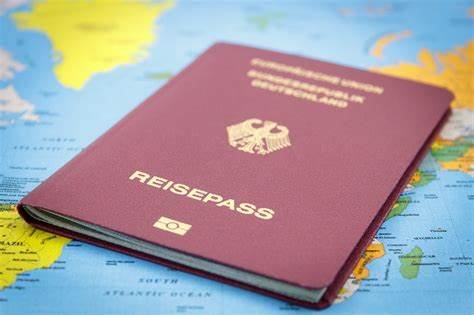
How to Get German Citizenship Under the 2023 New Law Reforms
Germany, a hub of economic prosperity and cultural diversity, has long been a destination of choice for immigrants seeking a better life and career prospects. Many immigrants are now asking how to get German citizenship under the updated 2023 legal framework.
Recent statistics have shown that the number of successful naturalizations in Germany has been relatively low compared to other EU countries, prompting the government coalition “Svitlofor” to introduce reforms aimed at simplifying the citizenship acquisition process.
Shorter Residence Requirements
One of the most significant changes in the new German citizenship law is the reduction in the mandatory period of residence before obtaining citizenship. For many immigrants researching how to get German citizenship, this reform is a major breakthrough. Under the current legislation, foreigners must reside in the country for eight years to be eligible for German citizenship. However, the new law proposes a shortened residency requirement, allowing any foreigner who has legally lived in Germany for five years to apply for citizenship, making the overall process faster and more accessible.
Accelerated Citizenship for Exceptional Achievements
The draft law introduces an innovative approach for those with exceptional academic or professional achievements, active social engagement, or high language skills. For talented professionals and high achievers researching how to get German citizenship, this fast-track pathway offers a significant advantage. In exceptional cases, these individuals can obtain German citizenship after just three years of residence, making the naturalization process considerably quicker for qualified applicants
Language Proficiency
As part of the accelerated procedure for obtaining citizenship, the “Svitlofor” coalition plans to raise the required level of German language proficiency to C1. This level is typically required for university studies and signifies a deep commitment to life in Germany.
Factors Considered for Naturalization
The proposed law emphasizes that factors such as language skills, education, career prospects, participation in society, and commitment to democratic values should be considered when deciding on naturalization. For individuals trying to understand how to get German citizenship, meeting these criteria is essential. Applicants must also be economically integrated and capable of supporting themselves and their families without government assistance, as financial stability remains a key requirement in the naturalization process.
Dual Citizenship Eased

Current German law generally restricts dual citizenship, but the new bill seeks to simplify these requirements. Under the proposed changes, applicants will not have to renounce their primary citizenship if they obtain a German passport. This change is particularly significant for immigrants who wish to maintain ties with their country of origin while enjoying the benefits of German citizenship.
Children born in Germany will also have the option to retain their parents’ citizenship, recognizing their cultural heritage while granting them the privileges associated with German citizenship. For parents exploring how to get German citizenship, this reform brings greater flexibility and reassurance for their children’s future. It eliminates the need to choose between their parents’ citizenship and German citizenship, allowing families to benefit from dual nationality under the updated law
German Citizens Abroad
One of the key changes in the new bill is that Germans living abroad will no longer lose their citizenship if they acquire citizenship in another country. For individuals researching how to get German citizenship, this amendment highlights Germany’s more flexible and modern approach to nationality. This represents a substantial departure from current legislation and provides greater flexibility for German citizens living internationally, especially those planning long-term residence outside Germany
Special Consideration for “Guest Worker Generation”
Applicants for naturalization from the “guest worker generation” who came to Germany under employment agreements will receive privileges when applying for citizenship. They will be exempt from the B1 language test and the naturalization exam, recognizing that this generation did not have access to language courses and proper integration support.
Exclusions for Criminal Offenses
The new law also contains provisions to exclude foreigners who have committed criminal offenses motivated by anti-Semitic, racist, xenophobic, or other inhumane motives from obtaining German citizenship. Prosecutors are expected to report such crimes to immigration authorities to prevent naturalization in these cases.
In conclusion, the proposed changes in German citizenship law are aimed at simplifying the naturalization process and encouraging active participation of foreigners in German society. These reforms will provide foreigners with equal opportunities, rights, and obligations as German citizens, while also recognizing the importance of cultural heritage and promoting integration. With these reforms, Germany is taking steps to make its citizenship more accessible and inclusive in the years to come.